CN | EN
The core application features of CCUS (Carbon Capture, Utilization, and Storage) include broad adaptability, deep emission reduction, and strong system integration, making it a key pathway toward carbon neutrality. 

Its main characteristics include:
Applicable to high-emission industries such as power, steel, cement, and chemicals, reducing Scope 1 emissions.
Integration with renewable energy, combining with green hydrogen, solar, and wind to enable low- or negative-carbon solutions.
Flexible capture pathways, including flue gas capture and direct air capture (DAC).
High-value CO₂ utilization for green methanol, eSAF, building materials, and agriculture.
Support for carbon markets through the generation of carbon credits.
Modular deployment, enabling flexible use in distributed and edge energy systems.

Through industrial integration, CCUS serves not only as a decarbonization tool but also as a key part of a circular energy and carbon system.

描述
描述
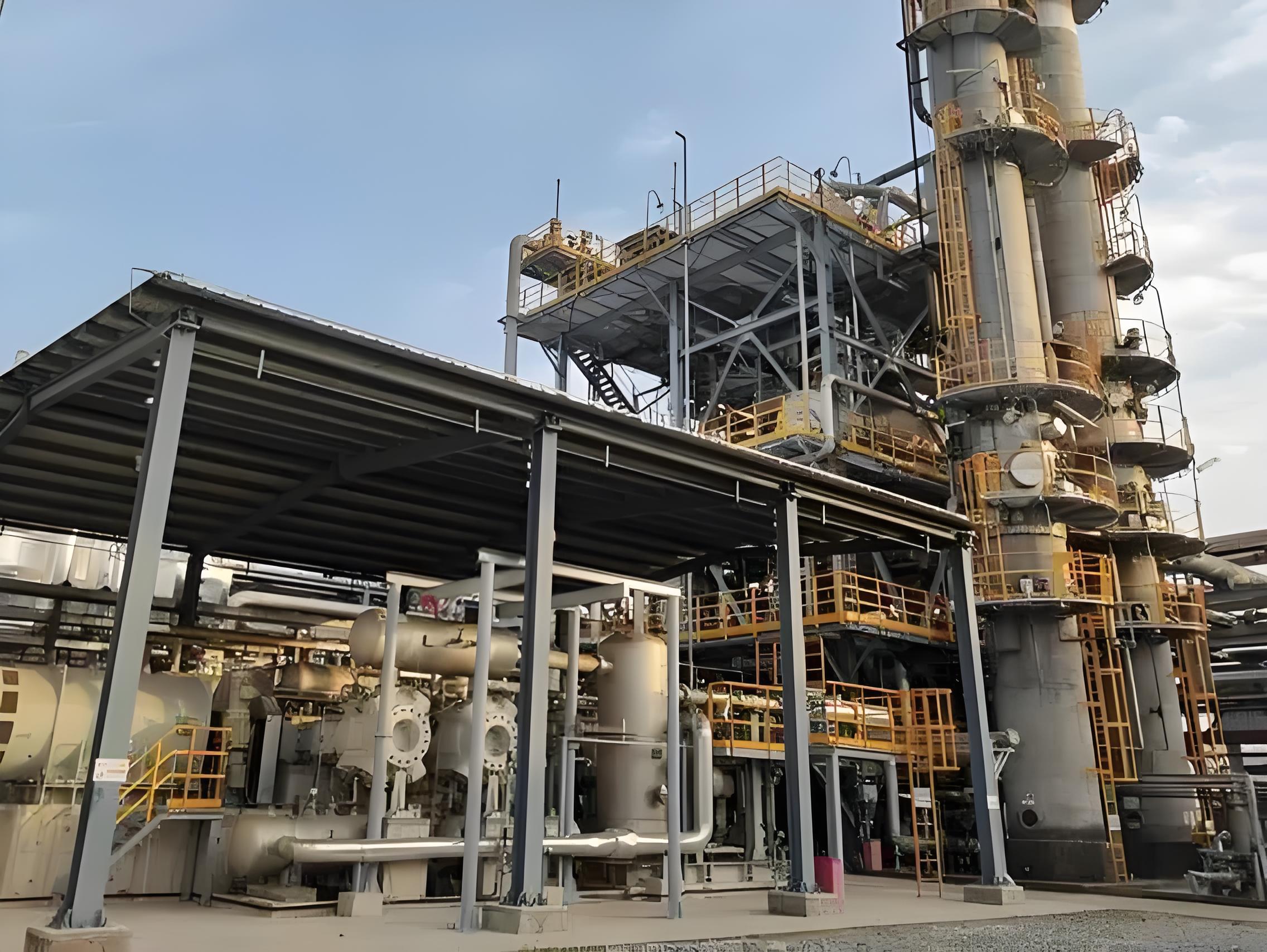
Flue gas carbon capture is one of the most mature pathways within the CCUS framework, primarily applied to large industrial sources such as coal-fired power plants, cement, steel, and chemical industries.

Its main characteristics include:
Well-suited for centralized high-emission sources, enabling large-scale capture of CO₂ at concentrations of 4–15%.
High technology maturity, with processes such as amine absorption, membrane separation, and PSA widely commercialized.
Can be implemented with minimal impact on existing operations, serving as a retrofit decarbonization solution.
Enables CO₂ reuse for applications such as green methanol and eSAF production.
Supports regulatory compliance, helping industries address carbon markets, carbon taxes, and CBAM requirements.

Flue gas capture enables industrial decarbonization without altering core production processes, making it a key transitional solution for reducing emissions in high-carbon industries.
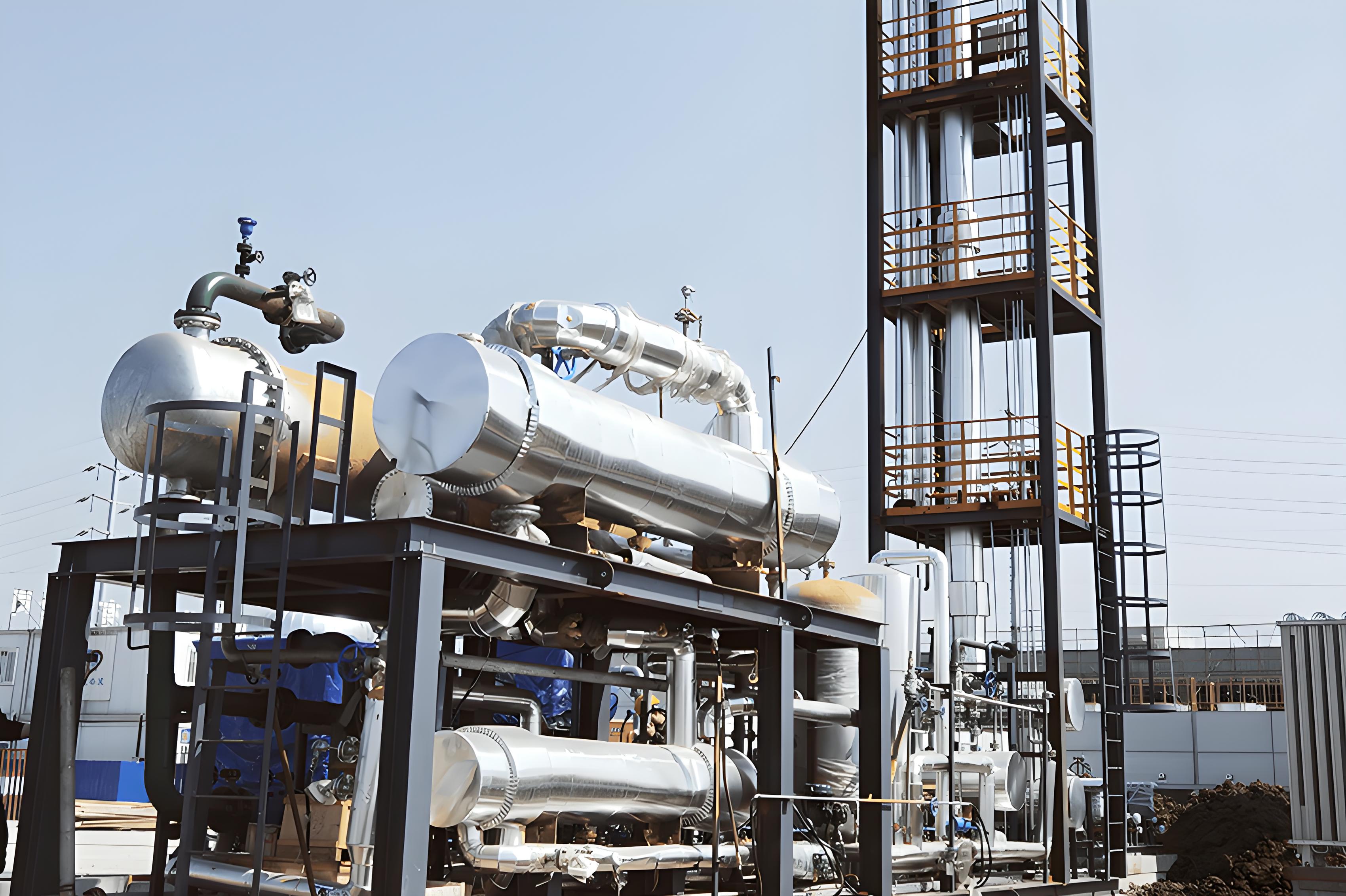
Direct Air Capture (DAC) is an advanced carbon removal technology that extracts CO₂ directly from the atmosphere. It does not rely on point emission sources, offering high flexibility and deployment adaptability.

Its main characteristics include:
Enables negative emissions when coupled with geological storage or green hydrogen-based fuel synthesis.
Flexible deployment, allowing operation in regions with abundant renewable energy such as wind and solar, independent of emission sources.
Applicable to diverse scenarios, including remote areas, deserts, and islands where conventional mitigation solutions are difficult to implement.
Supports CO₂ utilization for producing green methanol, eSAF, and other carbon-neutral fuels, promoting a circular carbon economy.
Provides high-quality carbon removal credits (CDR), supporting carbon markets and net-zero commitments.

DAC is expected to become a key pillar of long-term carbon neutrality, particularly when integrated with renewable energy bases and fuel synthesis projects.
描述