Electro Power Cell Energy is an electrochemical engineering company focused on turning advanced technologies into scalable, engineered systems.
We develop cells, stacks, reactors, BOP, testing platforms and integrated pilot systems across hydrogen, CO₂ conversion, carbon capture and Power-to-X applications.
From laboratory validation to pilot-scale deployment, we help bridge the gap between electrochemical innovation and practical engineering.


Bridging the gap between promising technology and reliable operation.
We understand the hardware that defines electrochemical performance—from flow fields and sealing to electrodes, membranes, bipolar plates and stack architecture.
We integrate reactors with fluid handling, thermal management, gas processing, instrumentation, controls and safety to create systems designed to operate—not just perform on paper.
From laboratory validation and pilot testing to skid-mounted and demonstration systems, we help technologies move toward practical deployment.
EPC offers high-performance PEM and AEM electrolyzers for clean hydrogen production. PEM systems ensure high purity and fast response, while AEM technology reduces costs with non-precious materials. Our modular, scalable solutions support green hydrogen applications across energy, industry, and mobility.

EPC develops advanced CO₂ electrochemical reduction (CO₂RR) electrolyzers that convert captured CO₂ into value-added molecules such as CO, formate, and syngas. CO₂RR enables low-carbon fuels and chemical production by coupling renewable electricity with carbon utilization.
Our CO₂RR stacks integrate gas-diffusion electrodes, high-performance membranes, and optimized flow-field architecture to ensure stable operation, high selectivity, and low energy consumption.

EPC designs and delivers high-efficiency PEM fuel cell systems for mobility, backup power, and distributed energy. Our fuel cells feature fast cold start, high power density, and zero emissions, making them ideal for hydrogen vehicles, UAVs, industrial energy, and off-grid applications.
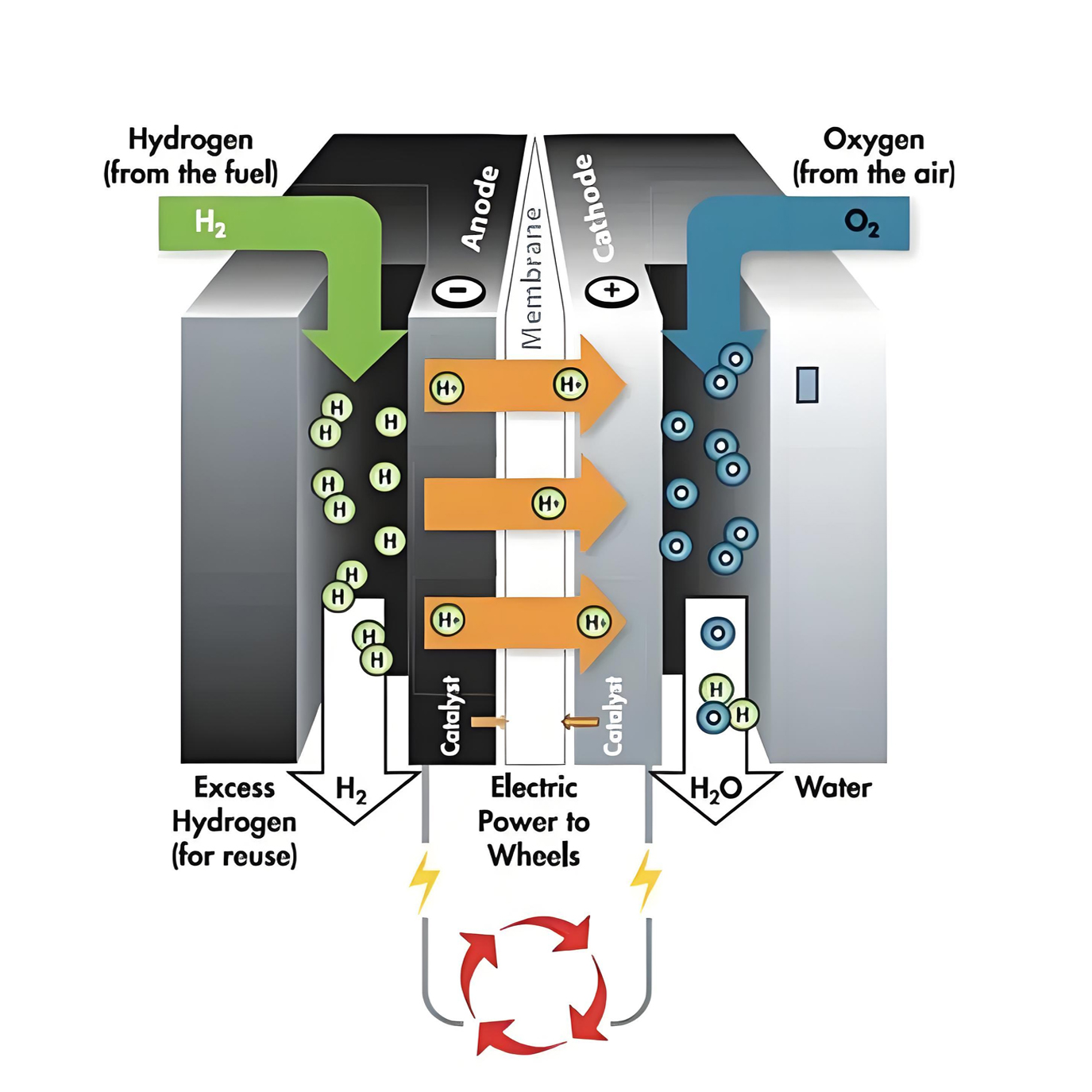
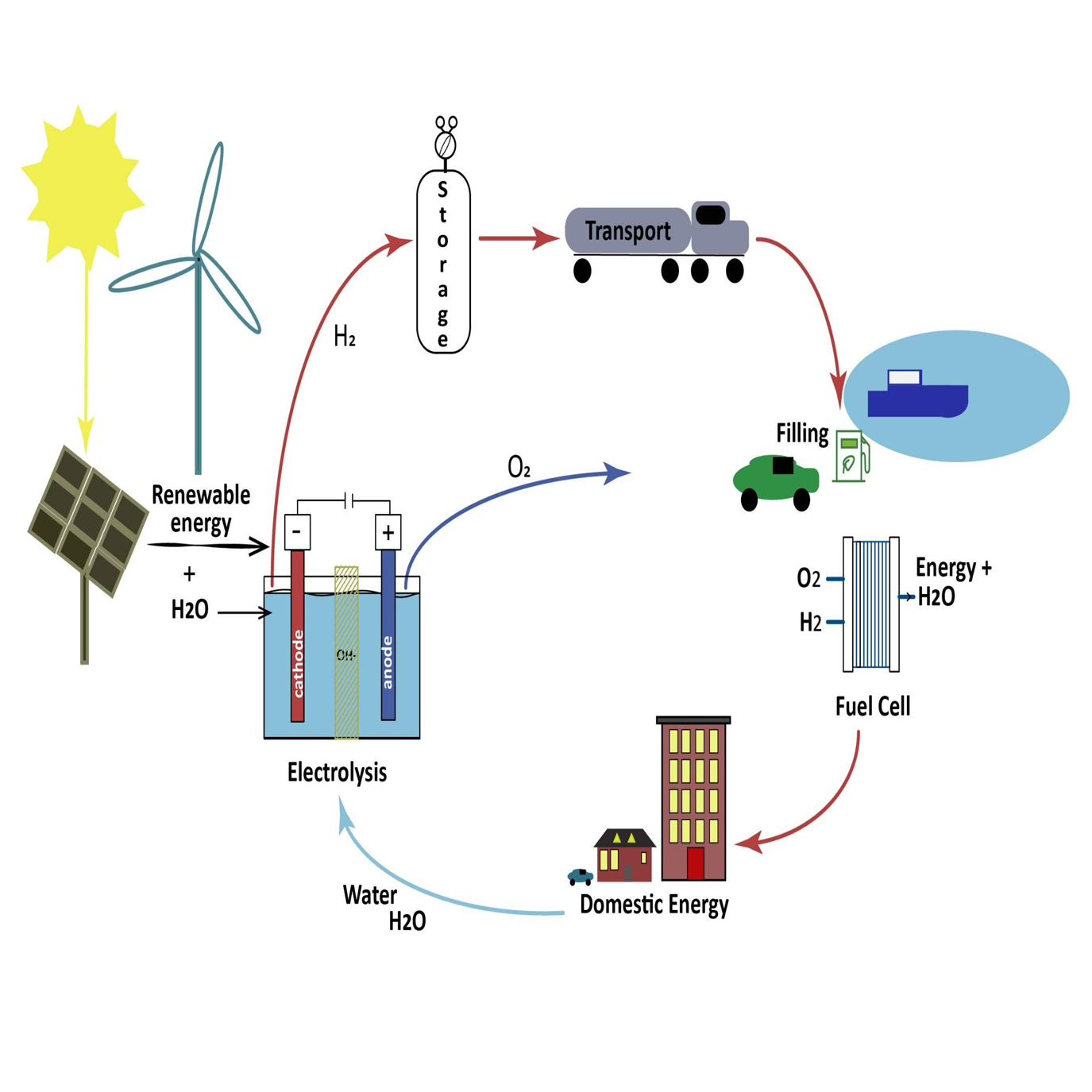
EPC offers integrated systems combining solar power, hydrogen production, storage, and fuel cell generation. This all-in-one solution enables 24/7 clean energy for microgrids, off-grid areas, and energy-autonomous communities. It addresses renewable intermittency and supports carbon-free distributed energy systems.
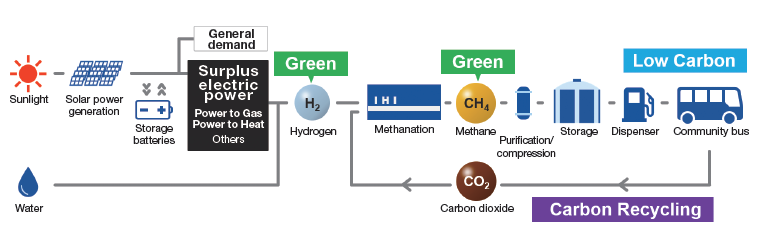
PtX (Power-to-X) / e-Fuels systems convert renewable electricity into chemical fuels, including e-Methanol, e-Methane, Sustainable Aviation Fuel (SAF), and Syngas.
Through the modular integration of electrolysis, CO₂ capture, electrochemical conversion, and catalytic synthesis units, the system enables a complete pathway from renewable power to molecular energy carriers.
Designed with scalability and flexibility, these systems can be deployed across various industrial scenarios, including demonstration projects, small-scale distributed PtX hubs, and future commercial plants.
This technology is considered one of the key pathways toward green chemicals, sustainable fuels, and deep decarbonization.
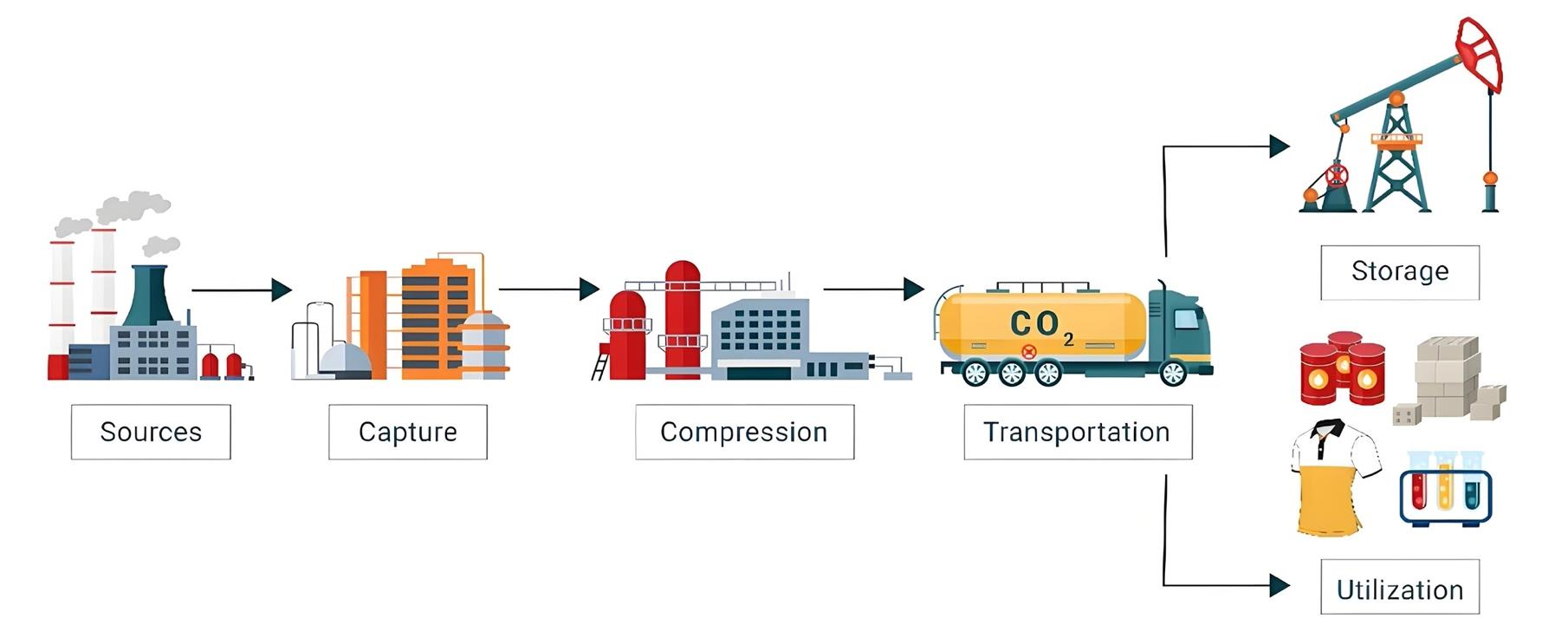
We provide engineering support for low-carbon and electrochemical technologies, covering the path from lab validation to pilot and demonstration systems.
Our expertise includes solving key scale-up challenges such as efficiency, stability, fluid management, thermal control, safety, and system operation.
We work across CO₂RR, PEM/AEM electrolysis, DAC/CCUS, and e-Fuels systems, offering process design (PFD/P&ID), BOP integration, automation (PLC/HMI), commissioning, and SOP support.
Our mission is to help customers build systems that are ready to run, ready to scale, and ready to deliver.
We design and build customized electrochemical hardware and integrated systems for hydrogen, CO₂ conversion and Power-to-X applications.
Our scope extends from single cells, stacks and electrochemical reactors to BOP, test platforms, skid-mounted pilot systems and integrated process systems.
Single cells, electrolyzer stacks and electrochemical reactors
Bipolar plates, flow fields, MEA, electrodes and critical components
Custom architectures for specific chemistry, pressure and operating conditions
Gas and liquid circulation, thermal and pressure management
Gas–liquid separation, conditioning and process instrumentation
PLC control, data acquisition, safety interlocks and system integration
Laboratory and engineering validation platforms
Skid-mounted pilot and demonstration systems
Hydrogen, CO₂ electrolysis, carbon conversion and Power-to-X integration
Latest Hydrogen & Clean Energy News — at EPC.


Working with industrial leaders, research institutions, and energy innovators worldwide, we deliver modular hydrogen and carbon conversion systems across multiple regions.
From Europe to North America and Asia-Pacific, our projects demonstrate our ability to turn advanced electrochemical technologies into real, deployable energy systems.
Built Through Real Collaboration
Joint development with research institutions
System delivery for international projects
Engineering integration across disciplines
Compliance with global industrial standards